
“There’s no harm in hoping for the best as long as you’re prepared for the worst.”
― Stephen King, Different Seasons
The global wars and unrest and the seasonal natural disasters in our own country are stark reminders of how quickly unexpected and uncontrollable events around us can change the lives of many.
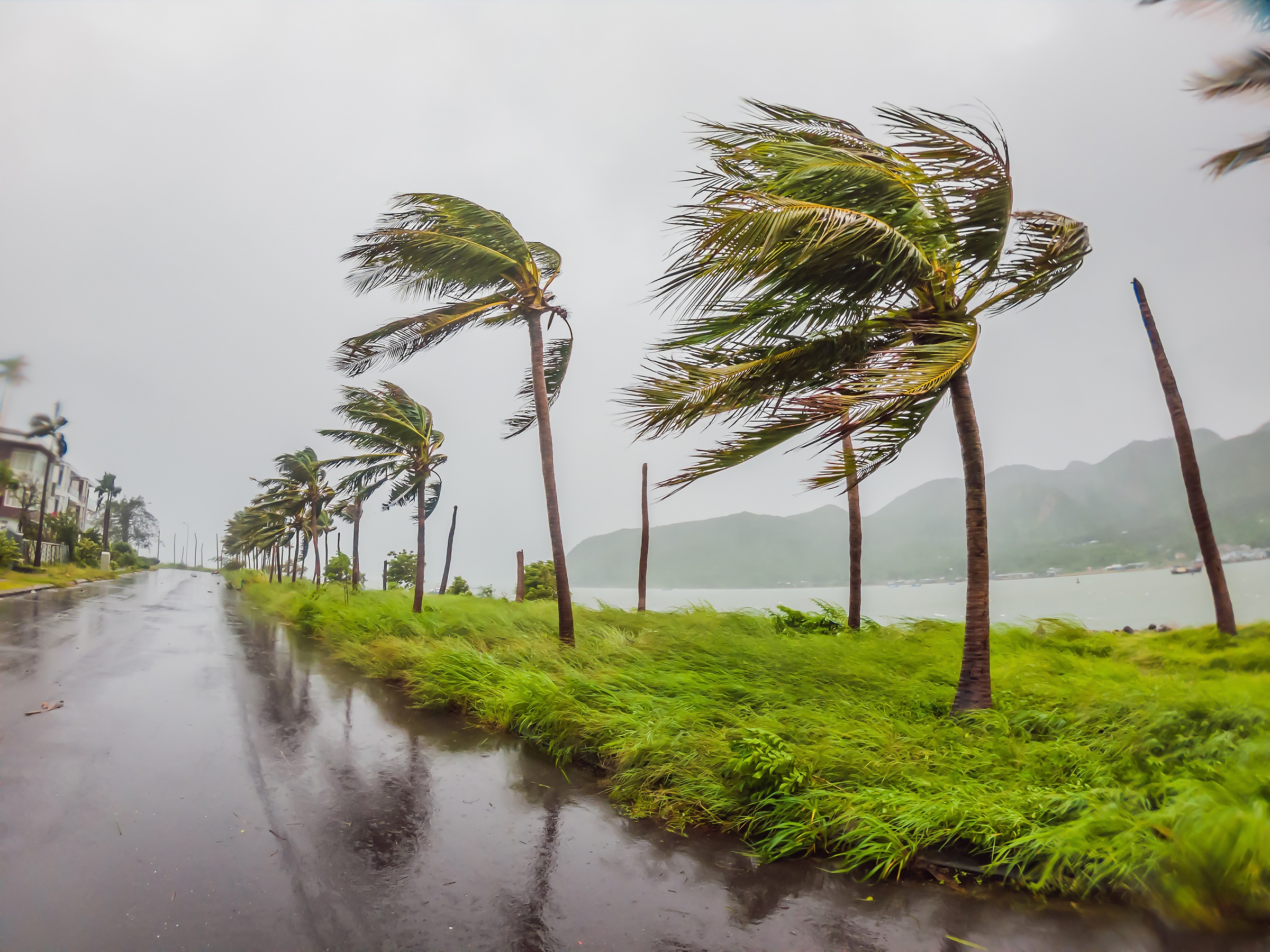
While we are lucky enough not to face war on our own soil today, hurricanes, tornadoes, and wildfires are increasingly common and can be both personally and financially devastating. In fact, the U.S. has sustained 395 weather and climate disasters since 1980 where overall damages/costs reached or exceeded $1 billion. The total cost of these 395 events exceeds $2.770 trillion[1].
Safety is the ultimate priority in these situations. But even with technology at our disposal to help warn and prepare us, sometimes there is only a matter of days or even hours to react, take cover, or evacuate.
Luckily, there are some relatively easy steps you can take today to prepare if you need to seek safety in the future.
The Evacuation Checklist
Below is a checklist of to-dos for both you and anyone else who lives in your household, including spouses, partners, children, elderly persons, and pets in your care:
Establish a “Grab-and-Go” Bag
Set aside an emergency bag or backpack that contains bottled water, non-perishable food, important medications, a first aid kit and an emergency tool kit. If time allows, add the suggested important items below.
Protect Important Paper Documents
Keep the following original documents in a plastic, waterproof case or sleeve that you can easily slip into your grab-and-go bag. Until an emergency arises, periodically update these documents and store them in a fireproof and waterproof safe in your home:
- Birth certificates
- Social security cards
- Driver’s licenses (make a copy for your file since you will probably keep your driver’s license with you in your wallet or purse under normal circumstances)
- Passports
- Death certificates
- Marriage certificates
- Estate planning documents (including wills, trust agreements, financial and health care powers of attorney, and any living wills/advance medical directives)
- Deeds/titles for your property
- Tax returns and records from at least the last three years
- Stock certificates (if kept at home and not held at your brokerage)
- Insurance policies, especially for home and auto
- Recent statements from your credit card companies, banks, brokerage firm, retirement accounts, car loan, student loans, mortgage company and utilities
- A list of important passwords and phone numbers to access account information online and to reach contacts
- Important medical records and prescriptions
- Car titles and copies of registrations
- Pet papers (including proof of ownership and vaccinations, licenses, rabies certificates, and photos for identification)
Securely Digitize and Backup
- Keep digital copies of important documentation elsewhere in case they are needed in an emergency or if the originals above are lost or damaged during the emergency:
- Take photos of or create scanned or PDF copies of all important documents.
- Photograph the inside and outside of your home, documenting valuable possessions for insurance claims. Store all these digital files on a password-protected external hard drive or save them in a secured cloud account (such as Microsoft OneDrive, Google Drive, or Apple iCloud) so they are 100% protected from physical damage.
- Backup other important files, applications, and internal hard drives from your home desktop computers to an external hard drive.
- Pack any external hard drives with backup files on them along with their power plug in your grab-and-go bag or in a safe deposit box or other offsite location away from your home.
- Set your mobile phone to back up its content and photos to the cloud, if you have that option, in the event your phone is lost during an emergency.
Gather Other Essential Items (if you have time)
Finally, if you have additional time to prepare for an evacuation, these are other items you should bring with you or pack in your grab-and-go bag or secondary luggage:
- Cash/Checkbook
- Credit cards
- Health insurance cards
- Your car (if it is safe to drive in your local area during an emergency)
- Fuel for your car
- Additional medications
- Mobile phones with spare phone chargers
- Laptops with chargers
- Jewelry
- Family photos
- Keepsakes
- Keys (for cars, properties, external storage facilities, or other assets you may possess)
- Spare glasses or contact lenses
- Face masks
Stay Optimistic, Be Prepared
No one is ever completely ready for disaster to strike. But like Stephen King implies, perhaps we can enjoy life more today if we feel more confident that we are as prepared as we can be for potential uncertainty tomorrow. Your Modera team is here to support you in various aspects of your life, especially in difficult times. While we hope you remain safe from life’s storms, know that we are here for you whenever you may need us. Do not hesitate to reach out.
